PhysicalLayer Agent
An autonomous NOC engineer runs around the clock, diagnosing faults and executing repairs before your team is paged.

What the agent monitors in real time
The agent monitors all device signals, classifies anomalies, then acts.
Interface state shifts
Finds input errors, output drops, CRC faults, and interface flaps via SNMP counter polling and syslog event correlation.
BGP routing faults
Monitors BGP session state machines, spotting route withdrawals, flapping peers, and route table anomalies before downstream impact.
OSPF neighbor failures
Tracks OSPF neighbor state transitions, dead interval timeouts, and authentication mismatches in your routing domain.
VLAN trunk mismatches
Checks VLAN configuration on trunk ports and finds allowed-VLAN list mismatches before intermittent packet loss begins.
Repairs the agent executes independently
Actions are validated before execution, recorded with before/after state, and reversible from the dashboard.
Interface bounce and health check
Runs shutdown/no-shutdown via NETCONF, then re-polls error counters for 60 seconds to verify the fault cleared before resolving the incident.
BGP reset and route re-advertisement
Resets a flapping BGP session, waits for the peer to re-establish, and verifies expected prefixes are re-advertised before closing the incident.
STP topology change response
Detects STP topology change notifications over threshold, isolates the port producing excessive TCNs, and applies port-fast or BPDU guard as appropriate.
ACL traffic isolation
For confirmed misconfiguration faults, adds a targeted ACL rule to isolate traffic while the permanent fix is implemented, avoiding a full outage.
Live topology tracing fault propagation
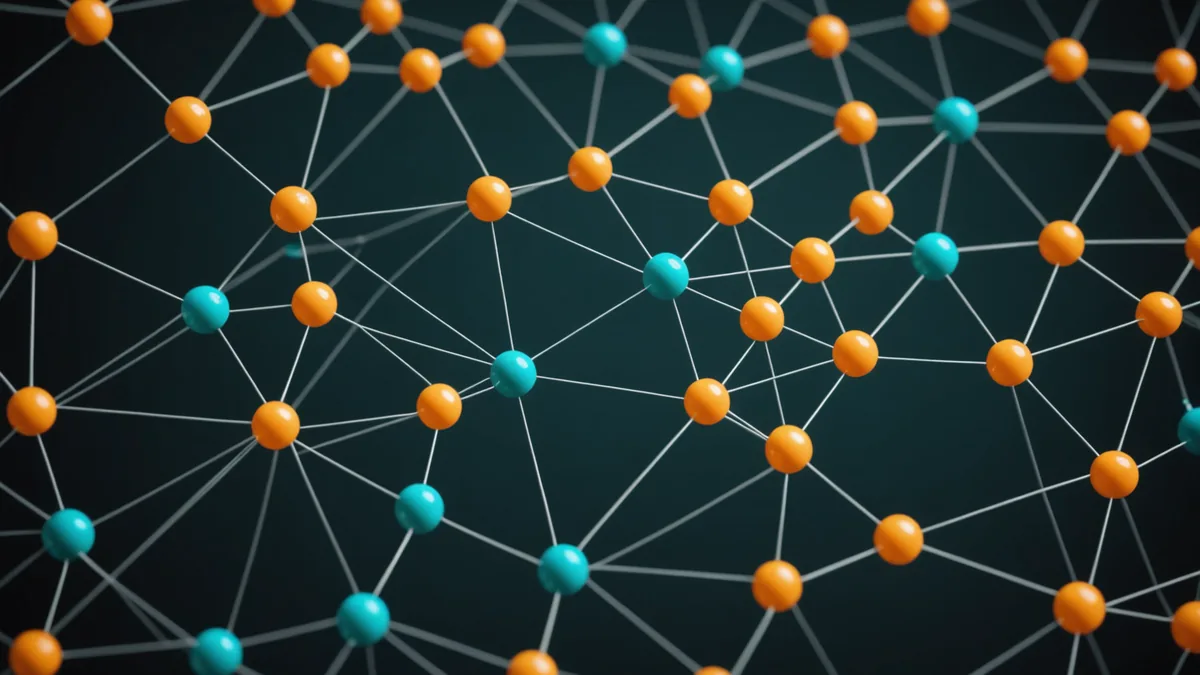
Every device, link, and logical segment is visible. When faults occur, it traces downstream symptoms to upstream failure.
Integrates with your stack unchanged
A lightweight read-only agent deployed on your network connects to devices through standard protocols. No traffic redirection, no inline mode.